Clintons' Epstein Depositions Scheduled: Key Dates & Details Unveiled
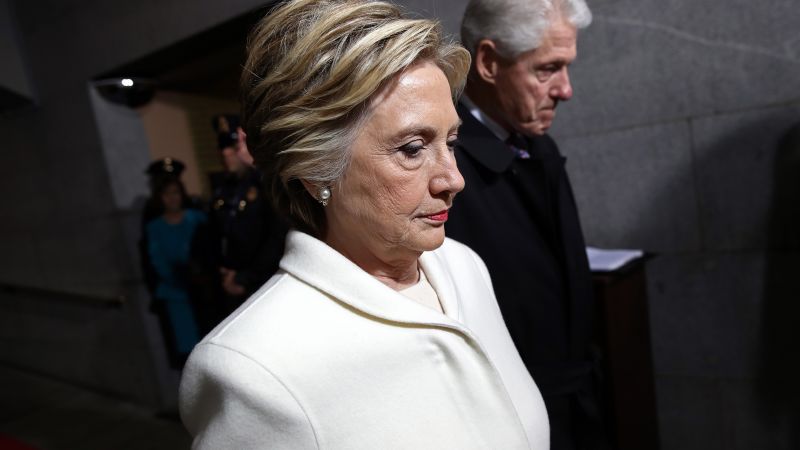
The long-awaited moment in the House Oversight Committee's exhaustive investigation into the nefarious network of the late sex offender Jeffrey Epstein is finally at hand. Former President Bill Clinton and former Secretary of State Hillary Clinton are officially slated to provide sworn depositions later this month, a development that marks a significant step in the committee's quest for transparency and accountability. These testimonies are poised to shed further light on the expansive web of influence and illicit activities tied to Epstein, drawing considerable public and media scrutiny.
The scheduling of these high-profile depositions follows months of intense exchanges and legal maneuvering between the Clintons' legal representatives and House Oversight Committee Chairman James Comer. This pivotal phase in the inquiry is not just about the testimonies themselves, but also about the extensive process of legal and strategic planning, known as
epstein deposition preparation, undertaken by all parties involved to ensure a thorough and lawful examination of the facts.
The Road to Chappaqua: A Timeline of Resistance and Resolution
The journey to these scheduled depositions has been anything but straightforward. Initially, the Clintons exhibited strong resistance to testifying, arguing that the House Oversight Committee's inquiry was politically motivated and that the subpoenas issued were legally invalid. Their stance reflected a broader belief that they were being unfairly targeted as part of a campaign of political retribution, aligning with criticisms leveled by former President Donald Trump.
The initial requests and subpoenas faced multiple rejections and reschedulings. Former President Bill Clinton’s deposition was first requested for October 2025, then December, and a subsequent subpoena set January 13, 2026. Similarly, former Secretary of State Hillary Clinton’s initial date was October 9, 2025, later moved to December 18, with a subsequent subpoena for January 14, 2026. In each instance, the Clintons declined to appear, citing various reasons, including a funeral and the aforementioned legal challenges.
The turning point came earlier this month when the House Oversight Committee signaled its readiness to move towards a bipartisan vote to hold the Clintons in contempt. Such a step could have led to serious legal repercussions, potentially including criminal charges. Faced with this escalated threat, the Clintons ultimately agreed to appear. Interestingly, following their agreement, they argued that the depositions should be held publicly, a notable shift from their earlier resistance. Their rationale was to demonstrate to the American public that they had nothing to hide and to minimize the politicization of their testimonies by House Republicans. This strategic shift underscores the complex nature of high-stakes
epstein deposition preparation, where legal strategy and public perception are intricately linked.
As House Oversight Committee Chairman James Comer emphasized, "No one is accusing the Clintons of any wrongdoing. We just have a lot of questions." These questions revolve around the broader network Epstein cultivated and the extent of connections to powerful individuals. For a deeper dive into this shift, read our related article:
Clintons' Epstein Testimony: From Resistance to Agreement.
Understanding Congressional Depositions: What to Expect Behind Closed Doors
The scheduled sessions are not open to the public but are sworn, out-of-court testimonies given as part of a congressional investigation. Both depositions will take place near the Clintons’ residence in Chappaqua, New York, rather than on Capitol Hill – a logistical compromise that likely facilitated their agreement.
Here’s what to expect from these crucial proceedings:
- Under Oath: Both Bill and Hillary Clinton will testify under oath, meaning their statements are legally binding, and knowingly providing false information carries severe legal consequences.
- Behind Closed Doors: The sessions will not be broadcast live. This private setting allows committee lawyers and investigators to delve into sensitive details without public interruption, focusing solely on eliciting factual information.
- Questioning by Committee Counsel: The witnesses will respond to questions posed by lawyers and investigators from the House Oversight Committee. This requires meticulous epstein deposition preparation on the part of the committee to formulate precise and effective questions designed to uncover specific information.
- Recorded and Transcribed: Every word spoken during the depositions will be meticulously recorded and transcribed. These transcripts become official records of the congressional investigation and can be referenced for further inquiry or public release (often redacted) at a later date.
- Dates and Times: Hillary Clinton is scheduled to testify on Thursday, February 26, followed by Bill Clinton on Friday, February 27. While congressional depositions typically commence between 9-10 am local time (14:00-15:00 GMT), the committee has not publicly confirmed the exact start times for these specific sessions.
The preparation for such a high-stakes deposition is rigorous for all parties. For the witnesses, it involves intensive meetings with legal counsel, reviewing relevant documents, and anticipating potential lines of questioning. Their lawyers engage in extensive
epstein deposition preparation to ensure their clients are fully briefed on legal protocols, potential pitfalls, and the strategic importance of each answer. This process is critical in safeguarding against inadvertent misstatements and ensuring a coherent testimony. For more details on the procedural aspects, refer to:
Behind Closed Doors: What to Expect from Clintons' Epstein Depositions.
The Stakes Involved: Why These Depositions Matter
The depositions of the Clintons are significant for several reasons, extending beyond merely gathering facts for the House Oversight Committee.
Firstly, they represent a crucial step in the ongoing effort to understand the full scope of Jeffrey Epstein's activities and the network that enabled them. The committee’s stated objective is to deliver "transparency and accountability" to the American people regarding the horrific crimes of Epstein and Ghislaine Maxwell. Given Bill Clinton’s documented past association with Epstein, including travel on his private jet, the committee undoubtedly seeks to clarify the nature and extent of their relationship and any knowledge he might have had regarding Epstein’s illicit activities. Hillary Clinton's testimony, while perhaps less directly connected to Epstein, is expected to focus on any broader understanding of the circles of influence and power that Epstein leveraged.
Secondly, these depositions carry significant political weight. The Clintons' initial claims of political motivation and their subsequent desire for public testimony highlight the highly charged atmosphere surrounding anything related to Epstein. The outcomes of these depositions, whether they reveal new information or merely confirm existing narratives, will undoubtedly fuel ongoing political debates and public discourse.
Finally, the integrity of congressional oversight itself is at stake. The committee’s perseverance in securing these testimonies, despite initial resistance, demonstrates the importance of its investigative powers. The meticulous
epstein deposition preparation by the committee's legal team is designed to ensure that these powers are used effectively and lawfully to uncover information that serves the public interest.
Beyond the Testimony: Implications and Future Steps
Once the depositions are concluded, the process of analysis will begin. The recorded testimonies and transcripts will be thoroughly reviewed by the House Oversight Committee. This analysis will be critical in identifying new leads, corroborating existing evidence, or highlighting areas that require further investigation.
While the depositions themselves are behind closed doors, it is highly probable that redacted versions of the transcripts, or key excerpts, will eventually be released to the public. This would align with the committee's goal of transparency and could significantly influence public perception and understanding of Epstein's network. The nature of these revelations, or lack thereof, will determine the next steps for the investigation, which could include further interviews, requests for documents, or even legislative recommendations aimed at preventing similar abuses of power.
The impact on the Clintons' public image will also be closely watched. Their shift from resisting to advocating for public testimony suggests a calculated move to demonstrate openness. However, the details contained within the eventual transcripts will ultimately shape how these highly anticipated testimonies are perceived by a scrutinizing public and media.
Conclusion
The upcoming depositions of Bill and Hillary Clinton represent a pivotal moment in the House Oversight Committee's persistent investigation into Jeffrey Epstein's network. From the initial resistance to the eventual agreement, and the meticulous
epstein deposition preparation undertaken by all parties, these sessions underscore the complexities of high-stakes legal and political inquiries. As the dates draw near, the focus remains on the pursuit of transparency and accountability, with the hope that these testimonies will bring the American public closer to a full understanding of the dark and far-reaching influence of Jeffrey Epstein. The world watches, eager for the light these closed-door sessions might shed on a disturbing chapter of history.