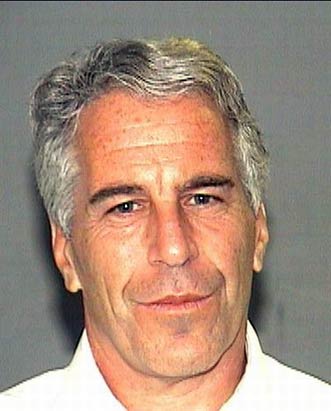
Behind Closed Doors: What to Expect from Clintons' Epstein Depositions
The spotlight is once again on the ongoing investigation into the late financier and convicted sex offender Jeffrey Epstein, as former President Bill Clinton and former Secretary of State Hillary Clinton prepare to give sworn testimony. These high-profile depositions, scheduled to take place behind closed doors at their Chappaqua, New York residence, represent a pivotal moment in the House Oversight Committee's probe into Epstein's extensive network of influence and crime. Far from a casual conversation, these are formal proceedings where every word matters, underscoring the critical importance of meticulous epstein deposition preparation for all involved.
The Gravity of a Congressional Deposition
At its core, a congressional deposition is a sworn, out-of-court testimony conducted as part of a legislative inquiry. Unlike a public hearing, these sessions are held privately, allowing committee lawyers and investigators to delve into details without the immediate glare of media cameras. However, the private setting does not diminish the gravity of the occasion. Witnesses, including the Clintons, testify under oath, meaning that knowingly providing false statements can lead to severe legal consequences, including potential criminal charges for perjury.
For any witness, but especially for figures of this stature, comprehensive epstein deposition preparation is paramount. This process typically involves extensive legal counsel, reviewing relevant documents, anticipating potential lines of questioning, and understanding the precise scope and purpose of the inquiry. The fact that these sessions will be recorded and transcribed means that a permanent record will exist, subject to scrutiny now and in the future. This puts immense pressure on witnesses to be precise, consistent, and truthful in their responses, making pre-deposition coaching and strategic planning indispensable.
From Resistance to Agreement: The Path to Testimony
The journey to these depositions has been protracted and fraught with tension. Initially, both Bill and Hillary Clinton resisted testifying, asserting that the inquiry was politically motivated and that the subpoenas issued by House Oversight Committee Chairman James Comer were legally invalid. They accused Comer of targeting them as part of a broader campaign of political retribution, aligning with former President Donald Trump.
Chairman Comer, however, maintained that while "no one is accusing the Clintons of any wrongdoing," the committee simply had "a lot of questions" regarding their connections to Epstein and his illicit activities. The House Oversight Committee signaled its intent to move towards a bipartisan vote to hold the Clintons in contempt if they continued to refuse, a step that could have paved the way for criminal charges. This significant pressure ultimately led to the Clintons' agreement to appear. Interestingly, after months of resisting, they even proposed that the depositions should be held publicly, arguing this would demonstrate their transparency and minimize the politicization of their testimonies. You can learn more about this strategic shift in Clintons' Epstein Testimony: From Resistance to Agreement.
This back-and-forth highlights the complex interplay between legal obligations, political maneuvering, and public perception surrounding high-stakes investigations. For witnesses caught in such a dynamic, epstein deposition preparation isn't just about legal facts, but also about managing public narrative and potential political fallout.
Key Details and Logistical Considerations
The specifics of the upcoming depositions underscore their deliberate and controlled nature. Hillary Clinton is scheduled to testify on Thursday, February 26, followed by Bill Clinton on Friday, February 27. The decision to hold the depositions near their Chappaqua residence, rather than on Capitol Hill, is a notable logistical choice. This arrangement likely aims to minimize the media spectacle often associated with congressional appearances in Washington D.C., creating a more controlled environment for the testimony.
Both depositions will be held behind closed doors, transcribed, and filmed. While specific start times have not been publicly confirmed by the committee, congressional depositions typically adhere to normal business hours, often commencing between 9-10 AM local time (14:00-15:00 GMT). Previous subpoena iterations had requested appearances at 10 AM. These details are crucial for understanding the formality and meticulous record-keeping involved in these proceedings. For a comprehensive overview of the schedule and other vital information, refer to Clintons' Epstein Depositions Scheduled: Key Dates & Details.
The closed-door nature means that the public will not immediately hear the questions asked or the answers given. However, transcripts may eventually be released, either in full or in part, subject to committee discretion. This adds another layer of complexity to epstein deposition preparation, as witnesses must be aware that their testimony, though private initially, could become public information later.
Anticipating the Questions: The Scope of Inquiry
While the exact questions remain confidential until the depositions occur, the House Oversight Committee's stated purpose provides a clear indication of their focus. Investigators will likely delve into various aspects of the Clintons' interactions with Jeffrey Epstein, aiming to understand the extent of their knowledge regarding his activities and his broader "network of influence and crime."
For Bill Clinton, questions will undoubtedly center on his past flights on Epstein's private jet, often dubbed the "Lolita Express," and the nature of his visits to Epstein's various properties. The committee will seek specifics about dates, locations, other individuals present, and the content of any discussions related to Epstein's affairs. Given the numerous allegations against Epstein, investigators will be keen to ascertain whether Bill Clinton witnessed or was made aware of any suspicious or illegal conduct.
For Hillary Clinton, the questions might revolve around any knowledge she had of Epstein's connections, her husband's relationship with Epstein, and any broader implications for national security or political influence that Epstein's network might have presented. The committee will likely aim to piece together a comprehensive picture of Epstein's inner circle and how individuals in positions of power may have intersected with his operations. Effective epstein deposition preparation for both individuals would involve thorough recollection and documentation of all interactions, no matter how seemingly minor, with Epstein and his associates.
The Implications and the Road Ahead
These depositions represent more than just an interrogation; they are a critical component of a legislative body's attempt to uncover facts and ensure accountability related to one of the most disturbing criminal enterprises in recent history. The outcome could provide valuable insights for the House Oversight Committee's investigation, potentially revealing new leads, corroborating existing information, or even prompting further legislative action to prevent similar abuses in the future.
For the Clintons, these testimonies are an opportunity to address the lingering questions and clear their names from any perceived association with Epstein's crimes. For the American public, they offer a moment of transparency, albeit delayed and behind closed doors, in an ongoing quest for justice and understanding. Regardless of the immediate findings, the extensive focus on epstein deposition preparation underscores the serious and enduring legal and ethical questions surrounding Jeffrey Epstein's dark legacy.